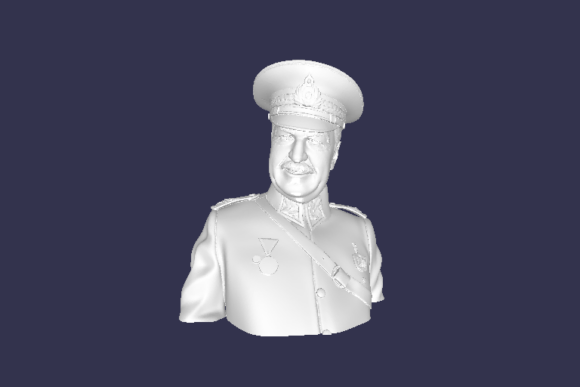
Marshal Fevzi Çakmak - 3D Printable: A Practical Guide for Historical Enthusiasts and Modelers
Marshal Fevzi Çakmak was a pivotal figure in the Turkish War of Independence and served as the first Chief of the Army General Staff of the Republic of Turkey. His legacy is not just in military history but also in the realm of 3D printing, where his likeness can be brought to life through Marshal Fevzi Çakmak - 3D Printable models.
Understanding Marshal Fevzi Çakmak - 3D Printable
The Marshal Fevzi Çakmak - 3D Printable model is a digital file that can be used to create a physical representation of this historical figure using a 3D printer. This model is particularly useful for historians, educators, and hobbyists who want to incorporate a tangible element into their projects or collections.
Where It Fits in Your Workflow
Incorporating a Marshal Fevzi Çakmak - 3D Printable model into your workflow can enhance the educational and creative aspects of your project. Here’s how it can fit into different stages:
- Pre-Project Research: Use the 3D printable model as a reference during the research phase. It can help you understand the physical appearance and details of Marshal Fevzi Çakmak, adding depth to your understanding.
- During Project Execution: Print the model to use as a visual aid in presentations, lectures, or displays. It can serve as a focal point and a conversation starter, making your content more engaging.
- Post-Project Reflection: After the project, the 3D printed model can be a lasting memento or a part of a larger collection. It can also be used for future projects or as a teaching tool.
Integration with Other Tools and Resources
The Marshal Fevzi Çakmak - 3D Printable model can be seamlessly integrated with other tools and resources to enhance its utility:
- 3D Printing Software: Use 3D printing software like Cura, PrusaSlicer, or Simplify3D to prepare the model for printing. These tools allow you to adjust settings such as infill, layer height, and support structures to ensure the best print quality.
- Painting and Finishing: Once printed, you can paint and finish the model to bring out more details. Acrylic paints, airbrushes, and varnishes are commonly used for this purpose.
- Display and Presentation: Integrate the 3D printed model into a display or presentation setup. Use stands, cases, or dioramas to present the model in a context that enhances its educational value.
Practical Implementation Tips
To make the most of the Marshal Fevzi Çakmak - 3D Printable model, consider the following tips:
- Choose the Right Filament: Select a high-quality filament that suits your needs. PLA is a good choice for beginners due to its ease of use, while ABS offers better durability and flexibility.
- Calibrate Your Printer: Ensure your 3D printer is well-calibrated to avoid issues such as warping, stringing, or poor layer adhesion. Regular maintenance and calibration will help maintain consistent print quality.
- Scale and Orientation: Adjust the scale and orientation of the model in your 3D printing software. Proper orientation can minimize the need for support structures and improve the overall print quality.
Factors to Consider for Long-Term Use
When integrating the Marshal Fevzi Çakmak - 3D Printable model into your long-term projects, consider the following factors:
- Storage and Preservation: Store the 3D printed model in a cool, dry place to prevent warping or degradation. Use protective cases or boxes to keep it safe from dust and damage.
- Documentation and Metadata: Keep a record of the 3D model's source, any modifications made, and the settings used for printing. This documentation can be valuable for future reference and sharing with others.
- Community and Collaboration: Engage with the 3D printing community to share your experiences and learn from others. Platforms like Thingiverse and MyMiniFactory offer a wealth of resources and a supportive community for 3D printing enthusiasts.
Conclusion
The Marshal Fevzi Çakmak - 3D Printable model is a versatile and practical tool for anyone interested in historical figures, 3D printing, or educational projects. By integrating it thoughtfully into your workflow, you can enhance the quality and impact of your work, whether it’s for personal, academic, or professional purposes.