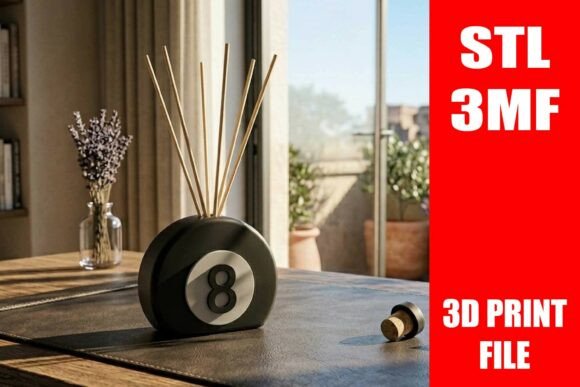
Enhancing Your Space: The Art of Decoration
Decoration is the process of adorning, embellishing, or enhancing a space to make it more visually appealing and functional. Whether it's your home, office, or any other environment, decoration plays a crucial role in creating a welcoming and comfortable atmosphere. This article will explore the various aspects of decoration, from understanding its importance to practical tips for achieving a beautifully decorated space.
Understanding the Importance of Decoration
Decoration is not just about making a space look pretty; it's about creating an environment that reflects your personality and enhances your daily life. A well-decorated space can boost your mood, increase productivity, and even improve your overall well-being. For instance, a thoughtfully decorated living room can become a cozy retreat, while a well-organized and aesthetically pleasing office can inspire creativity and focus.
Challenges in Decoration
While the idea of decoration may seem straightforward, many people face challenges when it comes to actually implementing it. Common issues include:
- Limited Budget: Decorating can be expensive, especially if you have a large space to cover or if you're aiming for high-end finishes.
- Lack of Space: Small spaces can be particularly challenging to decorate, as you need to balance functionality with aesthetics.
- Clashing Styles: Different members of a household or team may have varying tastes, making it difficult to create a cohesive look.
- Overwhelming Choices: With so many options available, it can be hard to decide on the right pieces and styles.
How Decoration Can Help Address These Challenges
Despite these challenges, decoration offers numerous solutions and benefits. Here’s how you can use decoration to overcome common obstacles:
Budget-Friendly Solutions
One of the most effective ways to decorate on a budget is to prioritize key pieces and gradually build your collection. Consider investing in versatile, high-quality items that can be used in multiple settings. Additionally, thrift stores, flea markets, and online marketplaces can offer unique and affordable finds. DIY projects, such as repainting furniture or creating wall art, can also add personal touches without breaking the bank.
Maximizing Small Spaces
For small spaces, choose multi-functional furniture and clever storage solutions. Opt for light colors and mirrors to create the illusion of more space. Vertical storage, such as shelves and hanging organizers, can free up floor space and keep the area uncluttered. Prioritize minimalism and select a few key decorative elements that make a big impact, rather than overwhelming the space with too many items.
Creating a Cohesive Look
To avoid clashing styles, start by establishing a theme or color palette that everyone can agree on. This can serve as a guide for selecting furniture, decor, and accessories. Mix and match different styles thoughtfully, using neutral backgrounds and adding pops of color or texture through smaller, more easily changeable items like throw pillows and rugs. Regularly reassess and adjust the space to ensure it remains harmonious and balanced.
Managing Overwhelming Choices
When faced with too many choices, it helps to narrow down your options by focusing on your specific needs and preferences. Create a mood board or a list of must-haves to help you stay focused. Research and gather inspiration from design blogs, magazines, and social media platforms. Consider consulting with a professional decorator or using online tools and apps that can provide personalized recommendations based on your style and budget.
Practical Applications and Outcomes
Effective decoration can transform a space into a functional and inviting environment. For example, a well-decorated bedroom can promote better sleep and relaxation, while a thoughtfully designed kitchen can make cooking and entertaining more enjoyable. In a professional setting, a well-decorated office can enhance the company's brand image and create a positive work environment for employees.
Examples and Recommendations
Here are some practical examples and recommendations for different types of spaces:
- Living Room: Use a neutral color palette with accents in your favorite colors. Add soft lighting, comfortable seating, and a few statement pieces like a large rug or a piece of art. Consider incorporating plants to bring life and freshness to the space.
- Home Office: Choose a desk and chair that are both stylish and ergonomic. Add shelves for books and supplies, and use a pinboard or whiteboard for notes and inspiration. Keep the space organized and clutter-free to maintain focus and productivity.
- Kitchen: Opt for durable and easy-to-clean surfaces. Use open shelving to display attractive dishware and cookbooks. Add a small table or island for additional workspace and a place to enjoy meals.
Useful Considerations
When embarking on a decoration project, consider the following:
- Functionality: Always consider the primary function of the space and choose decorations that support and enhance it.
- Personal Style: Let your personal taste and preferences guide your choices. Your space should reflect who you are and what you love.
- Long-Term Planning: Think about how your needs and preferences might change over time. Choose flexible and adaptable designs that can evolve with you.
- Sustainability: Consider the environmental impact of your choices. Opt for eco-friendly materials and products, and try to reuse or repurpose items whenever possible.
Conclusion
Decoration is a powerful tool for transforming and enhancing any space. By understanding the importance of decoration and addressing common challenges, you can create a beautiful and functional environment that meets your needs and reflects your personality. Whether you're decorating a small apartment or a large office, the key is to focus on practicality, personal style, and thoughtful planning. With the right approach, decoration can make a significant difference in your daily life and overall well-being.