Customizing and 3D Printing Your Perfect Vase
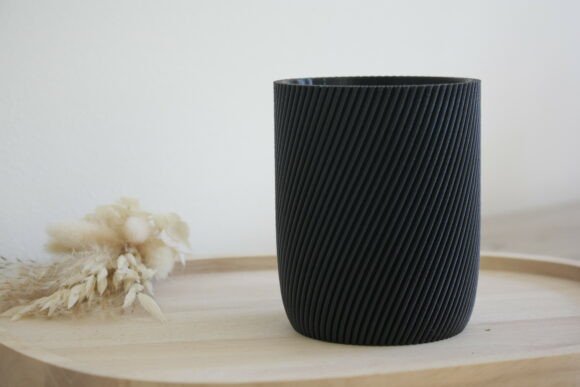
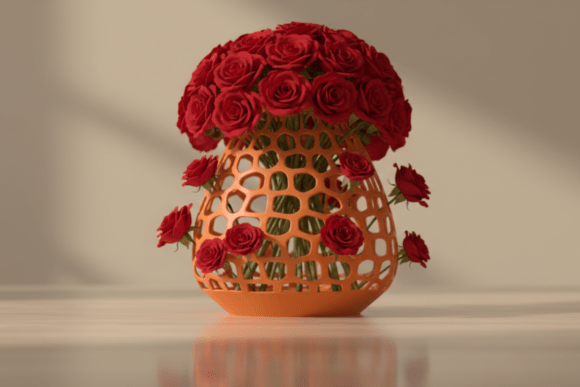
Vase is a versatile digital file that allows you to create a unique, Voronoi-patterned vase. This innovative design can be adjusted to your desired dimensions and printed using a 3D printer, making it a perfect addition to any home or office. Whether you are a professional, creator, or hobbyist, integrating Vase into your workflow can add a personal touch and enhance your space.
Understanding the Vase Design
The Vase design features a distinctive Voronoi pattern, which is a mathematical structure that creates a visually appealing, organic look. This pattern not only adds aesthetic value but also provides structural integrity, making the vase both beautiful and functional.
Adjusting Dimensions for Customization
One of the key benefits of using a digital file like Vase is the ability to customize its dimensions. Before printing, you can adjust the height, width, and other parameters to fit your specific needs. This flexibility is particularly useful for projects that require a precise fit, such as creating a centerpiece for a specific table or designing a vase to complement a particular interior decor.
Tools and Software for Dimension Adjustment
To modify the dimensions of the Vase, you can use 3D modeling software such as Tinkercad, Fusion 360, or Blender. These tools offer intuitive interfaces and a range of features that make it easy to scale and adjust the design. Here’s a quick overview of how you can do this:
- Import the Vase file into your chosen 3D modeling software.
- Select the object and use the scaling tools to adjust the dimensions.
- Preview the changes to ensure the new size meets your requirements.
- Export the modified file in a format compatible with your 3D printer.
Preparing for 3D Printing
Once you have customized the Vase, the next step is to prepare it for 3D printing. This involves several important considerations to ensure the final product is of high quality and meets your expectations.
Choosing the Right Material
The choice of material is crucial for the final appearance and functionality of the vase. Common materials used in 3D printing include PLA, ABS, and PETG. Each has its own characteristics, such as strength, flexibility, and finish. For a decorative vase, PLA is often preferred due to its ease of use and smooth finish.
Setting Up the 3D Printer
Proper setup of your 3D printer is essential for achieving the best results. This includes calibrating the bed, setting the correct temperature, and ensuring the filament is properly loaded. Follow the manufacturer’s guidelines for your specific 3D printer model to ensure optimal performance.
Printing and Post-Processing
After the preparation, you can start the 3D printing process. Depending on the size and complexity of the vase, this can take anywhere from a few hours to a full day. Once the printing is complete, you may need to perform some post-processing steps to finalize the product.
Removing Supports and Finishing Touches
If your vase design includes supports, carefully remove them using pliers or a craft knife. You can then sand the surface to achieve a smoother finish. For an even more polished look, consider applying a coat of clear varnish or paint to protect and enhance the appearance of the vase.
Integrating the Vase into Your Workflow
Whether you are a designer, educator, or small business owner, incorporating the Vase into your workflow can add a creative and practical element to your projects. Here are some ways to integrate the Vase into different contexts:
- Design and Decor: Use the Vase as a unique and customizable element in interior design projects, adding a personal touch to any room.
- Educational Projects: Incorporate the Vase into educational activities, such as teaching 3D modeling and printing techniques to students.
- Business Promotions: Create custom vases as promotional items or gifts for clients, showcasing your brand’s attention to detail and creativity.
Maintaining and Reusing the Vase Design
Once you have successfully printed and integrated the Vase into your workflow, it’s important to consider long-term use and maintenance. Proper care and storage will help preserve the vase’s quality and extend its lifespan.
Cleaning and Care
To clean the vase, use a soft cloth and mild soap. Avoid using harsh chemicals or abrasive materials, as they can damage the surface. Store the vase in a cool, dry place when not in use to prevent warping or discoloration.
Reusing the Design
The beauty of having a digital file is the ability to reprint the vase whenever needed. If you need multiple vases or want to experiment with different designs, simply modify the file and print again. This makes the Vase a cost-effective and sustainable solution for various projects.
Conclusion
By leveraging the versatility and customization options of the Vase, you can seamlessly integrate it into your creative and professional workflows. Whether you are enhancing your home decor, engaging in educational activities, or adding a unique touch to your business, the Vase offers a practical and visually appealing solution. With careful planning and execution, you can create a stunning and functional piece that stands out.