Amiens Cathedral France 3D Model: A Versatile Tool for Urban and Architectural Projects
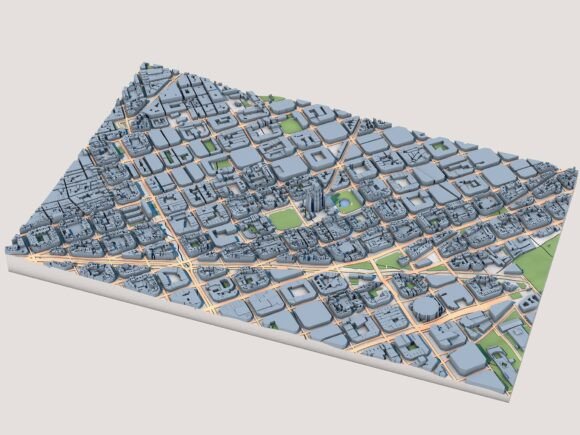
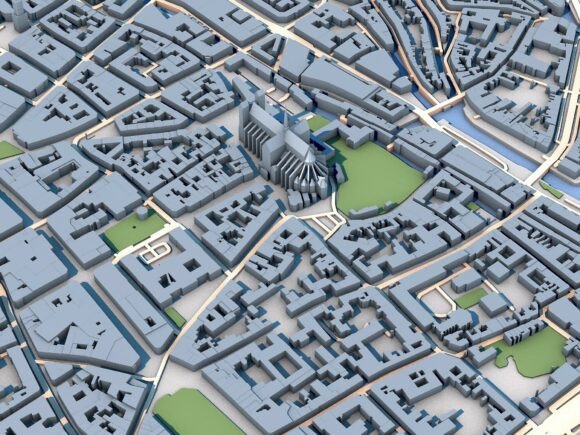
The Amiens Cathedral France 3D model is a meticulously crafted representation of one of the most iconic Gothic structures in France. This model, designed for a wide range of applications, offers a detailed and accurate depiction of the cathedral, making it an invaluable resource for professionals and enthusiasts alike.
Understanding the Amiens Cathedral 3D Model
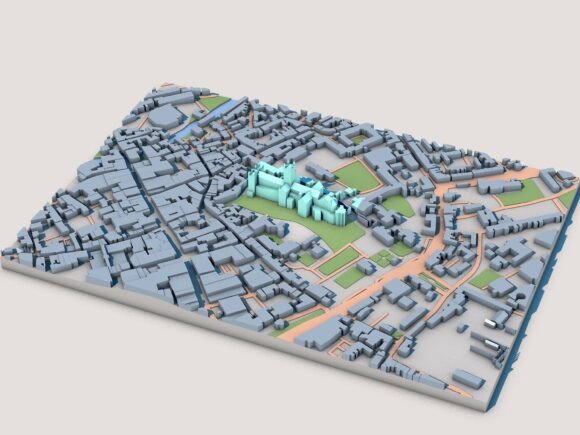
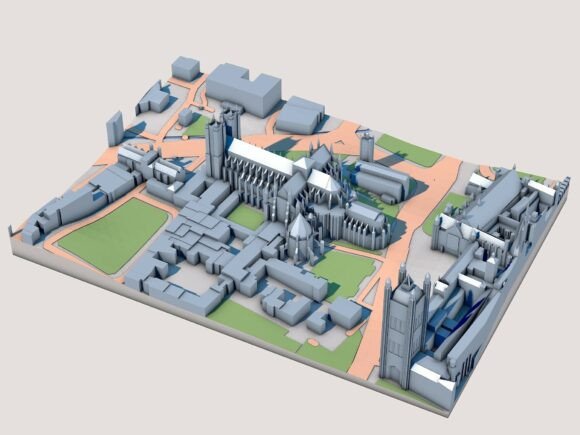
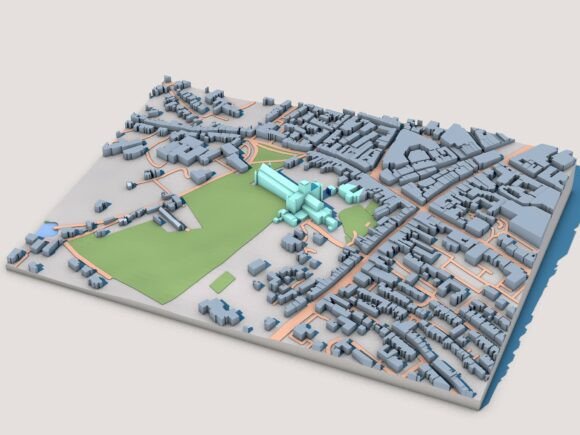
The Amiens Cathedral 3D model is a comprehensive digital asset that captures the intricate details of this historical landmark. Created manually in Cinema 4D, the model is devoid of any AI-generated elements, ensuring a high level of authenticity and precision. The .ZIP folder includes separate .STL files for buildings, water, vegetation, and terrain, along with OBJ, FBX, and C4D formats, providing flexibility for various software and platforms.
- Object terrain: 77,927 points, 166,081 polygons
- Object buildings: 218,473 points, 479,837 polygons
- Object roads: 100,073 points, 198,652 polygons
- Object water: 22,879 points, 49,215 polygons
- Object grass: 7,616 points, 15,104 polygons
Urban Planning and City Maps
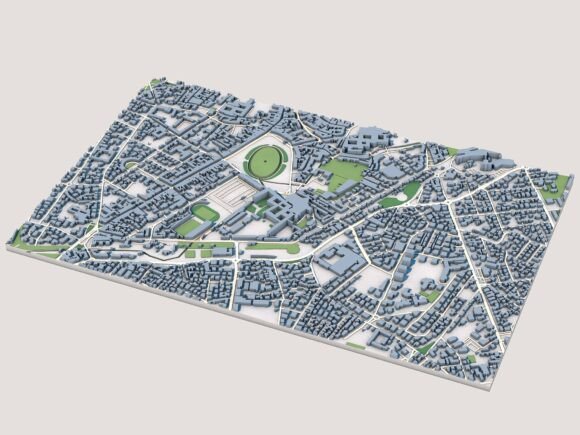
In urban planning, the Amiens Cathedral 3D model can be seamlessly integrated into city maps to provide a realistic and detailed representation of the area. This is particularly useful for planners and architects who need to visualize the impact of new developments or renovations around the cathedral. The model's high polygon count ensures that even the smallest details are captured, making it a reliable tool for precise planning.
Architectural Visualization
For architectural visualization, the 3D model serves as a powerful tool for showcasing the cathedral in various contexts. Whether you are creating a virtual tour, a promotional video, or a detailed rendering for a client presentation, the model's accuracy and detail make it an ideal choice. The inclusion of multiple file formats (STL, OBJ, FBX, C4D) allows for easy integration into popular 3D software, such as Blender, 3ds Max, and Maya.
Educational and Cultural Heritage Projects
Educators and cultural heritage enthusiasts can use the Amiens Cathedral 3D model to create engaging and interactive learning experiences. The model can be used in virtual reality (VR) and augmented reality (AR) applications, allowing students and visitors to explore the cathedral in a highly immersive way. Additionally, the model can be printed using 3D printing technology, providing a tangible and detailed physical representation for educational displays and exhibitions.
Preparation and Compatibility
Before integrating the Amiens Cathedral 3D model into your project, ensure that your software and hardware are compatible with the provided file formats. Most 3D modeling and rendering software support the STL, OBJ, and FBX formats, but it's always a good idea to check compatibility. If you plan to use the model for 3D printing, make sure your 3D printer supports the STL format and has the necessary resolution to capture the fine details.
Efficiency and Quality Control
To maintain efficiency and quality, consider optimizing the model for your specific use case. For example, if you are using the model for real-time applications or VR, you may need to reduce the polygon count to ensure smooth performance. Tools like Decimate Modifier in Blender or ProOptimizer in 3ds Max can help with this. Always test the optimized model to ensure that the reduction in polygons does not compromise the visual quality.
Long-Term Use and Maintenance
For long-term use, it's important to keep the 3D model well-organized and easily accessible. Create a clear directory structure for all related files, including textures, materials, and any additional assets. Regularly update the model if there are any changes to the cathedral or its surroundings. This will ensure that the model remains relevant and accurate for future projects.
Conclusion
The Amiens Cathedral France 3D model is a versatile and valuable resource for a wide range of applications, from urban planning and architectural visualization to educational and cultural heritage projects. By following the practical implementation tips and integrating the model smoothly into your workflow, you can leverage its detailed and authentic representation to enhance the quality and impact of your projects.